Ernst Hermann Erich Zierenberg, often called Hermann, was the third son of Hermann and Bertha Zierenberg. His life carried him from poverty in industrial Westphalia to service in the German Army, work in Egypt and at the Panama Canal, and finally to a new life in the United States as a husband, father, and superintendent of a large cemetery in California.
The account below preserves both a factual timeline and family recollections recorded by Dr. Rolf Zierenberg and his father, Dr. Bruno Zierenberg, based on stories shared by Hermann’s American family.
Life timeline
Key dates in the life of Ernst Hermann Erich Zierenberg, combining civil records, census entries, and family memory.
-
1882Nov 26: Born in Gevelsberg, Westphalia, Germany.
-
1899 (age 17)Left home and joined the German Navy to fulfill his mandatory military service.
-
1911 (age 29)Immigrated to the United States (according to the 1930 U.S. Federal Census).
-
1918 (age 35)Married Ruth Ricart in Erie, Pennsylvania, and registered for the World War I draft there.
-
1919Child: Hermine Elizabeth. Birth and death in Erie, Pennsylvania.
-
1920Child: Norman Erich. Birth and death in Erie, Pennsylvania.
-
1921Child: Roger Herman born in Los Angeles, California.
-
1923Child: George Jackson born in Los Angeles, California.
-
1926Child: Richard Dudley born in Los Angeles, California.
-
1930 (age 47)Listed in the U.S. Federal Census in Glendale, California. Occupation: Distributor of health water.
-
1931 (age 48)Manager at La Vida Mineral Water Company, according to the Glendale City Directory.
-
1939 (age 56)Superintendent of Valhalla Cemetery in Burbank, California.
-
1941 (age 59)World War II draft registration card notes him with the Salvation Army in Sacramento, California.
-
1945 (age 63)Returned to his family in Erie, Pennsylvania after years of separation during the war.
-
1947 (age 65)Oct 27: Died in Erie, Pennsylvania, from cancer of the esophagus.
Fun fact: Hermann once swallowed a needle and, according to family memory, it eventually passed through his stomach and abdomen. (Source: RHZ Sr.)
Biography
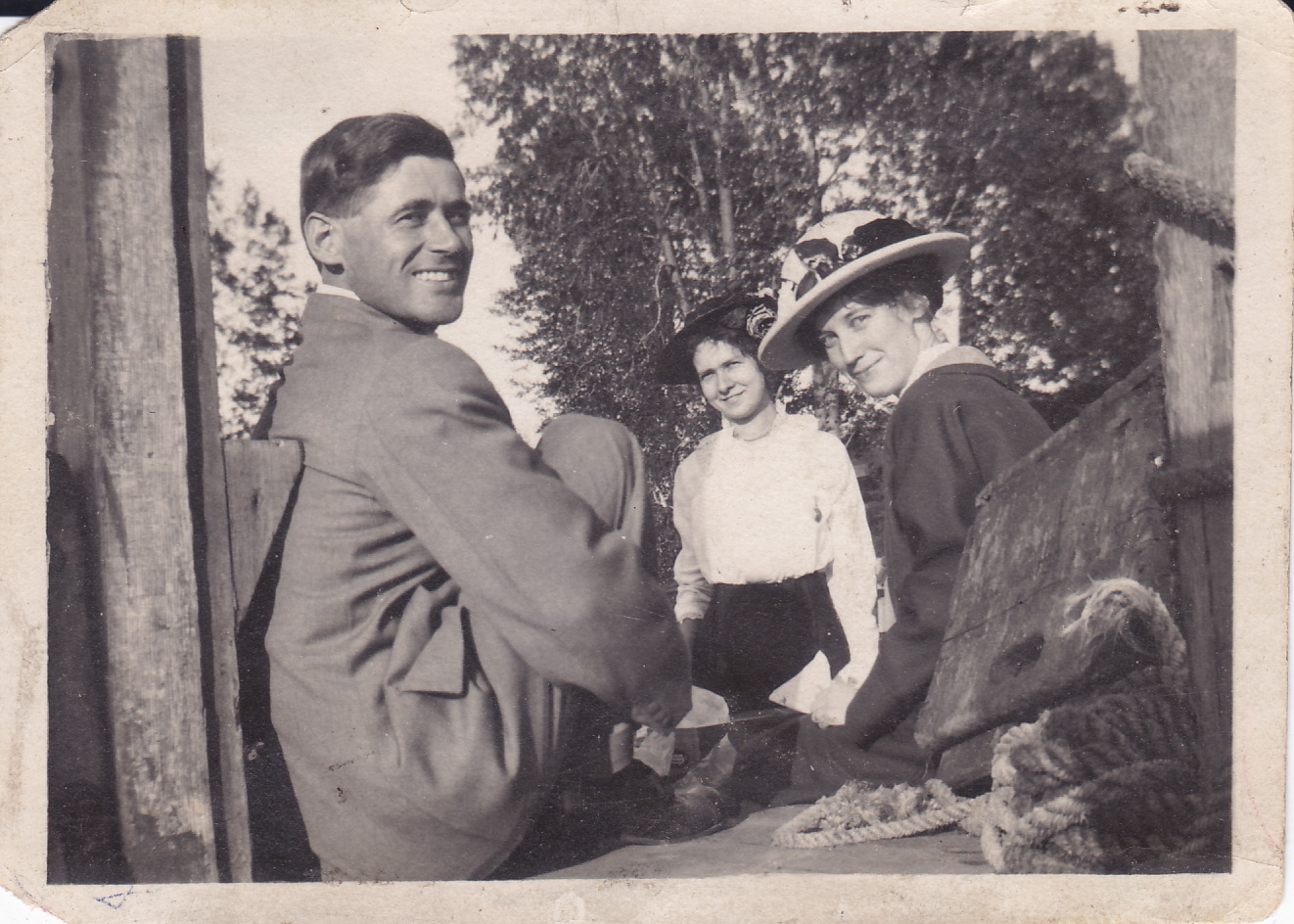
Childhood and family in Gevelsberg
Ernst Hermann Erich was born on 26 November 1882 in Gevelsberg, Westphalia, Germany, the third of five sons of Hermann and Bertha Zierenberg. His father, a teacher, died of tuberculosis on 16 February 1890 after a long illness. Bertha returned to teaching to support the family. At that time Bruno was 11, Hermann 8, Erich (Rolf’s father) 5, and the youngest son, Kurt, died in 1891. In 1903 the second-oldest son, Georg, also died.
Because of the family’s poverty, the boys could only attend elementary school from ages 6 to 14. Through a financial exemption they were allowed to sit for the entrance examination to teacher training college, following in their father’s footsteps. Bruno and Erich passed the exams, became teachers, and later completed university studies and doctorates in Münster. Hermann, by contrast, was less focused on formal schooling. He read adventure stories about Native Americans and dreamed of America.
Military service and desertion
As a young man, Hermann was called up for mandatory army service. Unlike those who qualified for a shorter voluntary term, he faced the full two years. According to family accounts, he suffered harsh treatment and humiliation and finally could not endure it. He deserted the army, an act that carried serious risk: desertion did not expire as a crime for 25 years, and the criminal police repeatedly questioned his mother about his whereabouts.
After leaving the army, Hermann made his way to Hamburg and slipped aboard a ship as an unlisted passenger. When his presence was discovered, the captain forced him off the ship at the Suez Canal. There he found work as a servant to a wealthy Englishman. He wrote letters home from Egypt, and during this period likely strengthened his English. Later, through a connection with the Suez Canal company, he appears to have been recruited for work on the Panama Canal.
Panama Canal and journey to America
A French subsidiary of the Suez Canal company began work on the Panama Canal in 1879 but went bankrupt in 1889. The United States took over the project in 1902, and the canal opened in 1914. Family tradition holds that Hermann was among the workers who moved from the Suez region to Panama through this company.
By 1915, after the completion of the canal, Hermann is believed to have boarded an American ship from the Canal Zone and traveled to New York. As a German with no immigration visa from the U.S. consulate in Berlin, he entered the country illegally and never obtained American citizenship. On a westbound train journey from New York he became ill, left the train in Erie, Pennsylvania, and remained there.
Meeting Ruth Ricart and starting a family
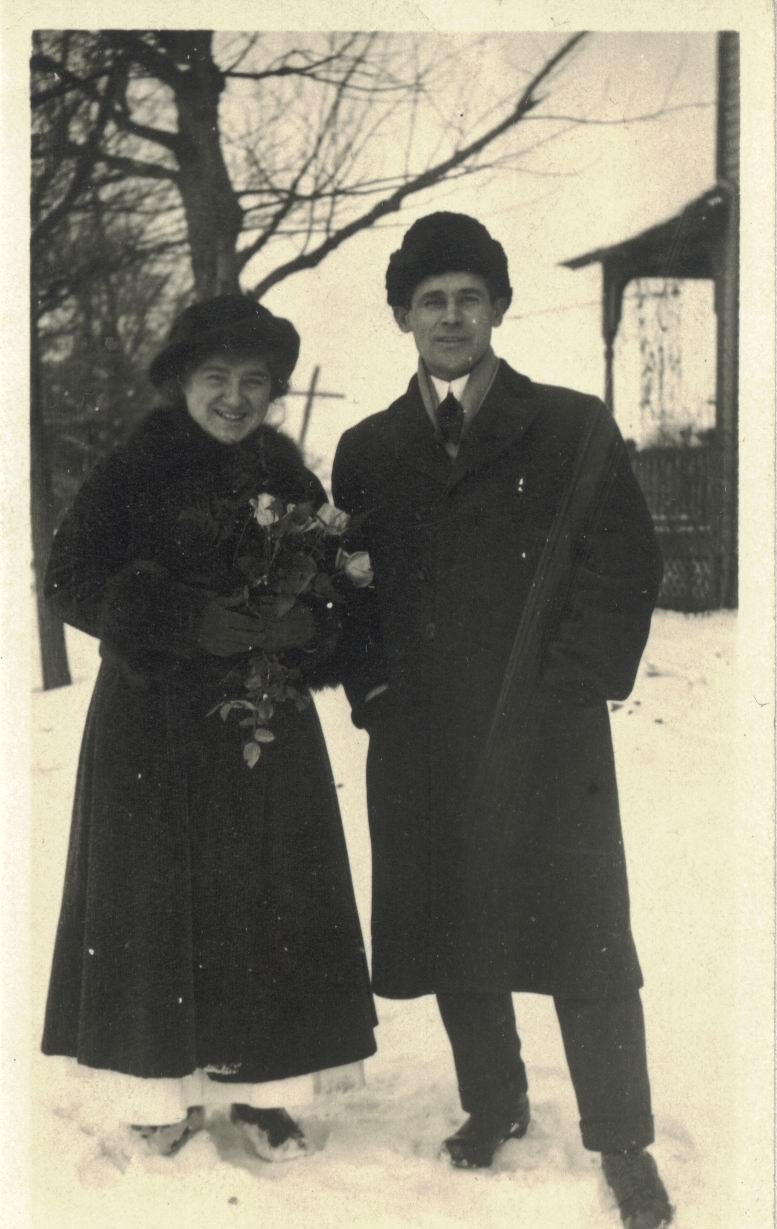
In Erie, Hermann met Ruth Ricart at a choir rehearsal. Ruth was born in Moorheadville, Pennsylvania, on 25 December 1892. The United States declared war on the German Empire in April 1917, and Hermann, as an enemy alien, was arrested and placed in an internment camp. Shortly before his release he registered for the draft in Erie.
After his release, Hermann and Ruth married on 22 July 1918 in Erie. Their first two children, Hermine Elizabeth and Norman Erich, died as infants in 1919 and 1920. The couple then moved to California, where they welcomed three sons: Roger, George, and Richard. Roger later had six children; George and Richard each had two, creating a large American branch of the Zierenberg family.
Work in California
In California, Hermann first worked with La Vida Mineral Water Company, eventually managing the operation in Glendale. The 1930 census describes him as a distributor of health water. Later he became superintendent of Valhalla Cemetery in Burbank, a position that brought stability and respect. Family members recall that he was musical, multilingual, and remained an avid reader of German books.
War, separation, and final years
When the United States entered World War II in December 1941 and Germany declared war on the United States, there was a real danger that Hermann, still a German national, would again be interned. According to his son Richard, Hermann left his family during the war years and appears to have worked with, or at least been associated with, the Salvation Army in Sacramento. Ruth and the children relocated to Erie, Pennsylvania, partly to avoid drawing attention from authorities.
Because he remained in the country and was in hiding, Hermann could not easily write to his family. This period left him wary and withdrawn. After the war, around 1945, he rejoined his family in Erie. Relatives recall that in his last years he lived quietly, read a great deal, spoke English with a German accent, and occasionally drank too much. He died in Erie on 27 October 1947 from cancer of the esophagus.
Character and legacy
In family writings, Dr. Bruno Zierenberg remembered his brother as open, good-natured, and a lively companion, more inclined to music and languages than to formal study. Hermann played the flute and ocarina, loved to sing, and once began violin lessons before learning how much dedication they would require. He preferred adventure stories and had a playful sense of humor, as shown in one school essay where he wrote, “In Hagen, we were enthusiastically greeted by a foreign school class, which we answered with a cold smile.”
Rolf Zierenberg later wrote that Hermann’s life was marked by hardship and courage. Raised in deep poverty, he chose to escape what he called “military slavery” and risked severe punishment as a deserter. For many years he lived with the fear of arrest, yet he eventually reached what he saw as the land of freedom. Although he was interned as an enemy alien and never naturalized, he became the father of a large American family. Because of his courage and sacrifice, his descendants were able to grow up in freedom and relative prosperity.
Family photos
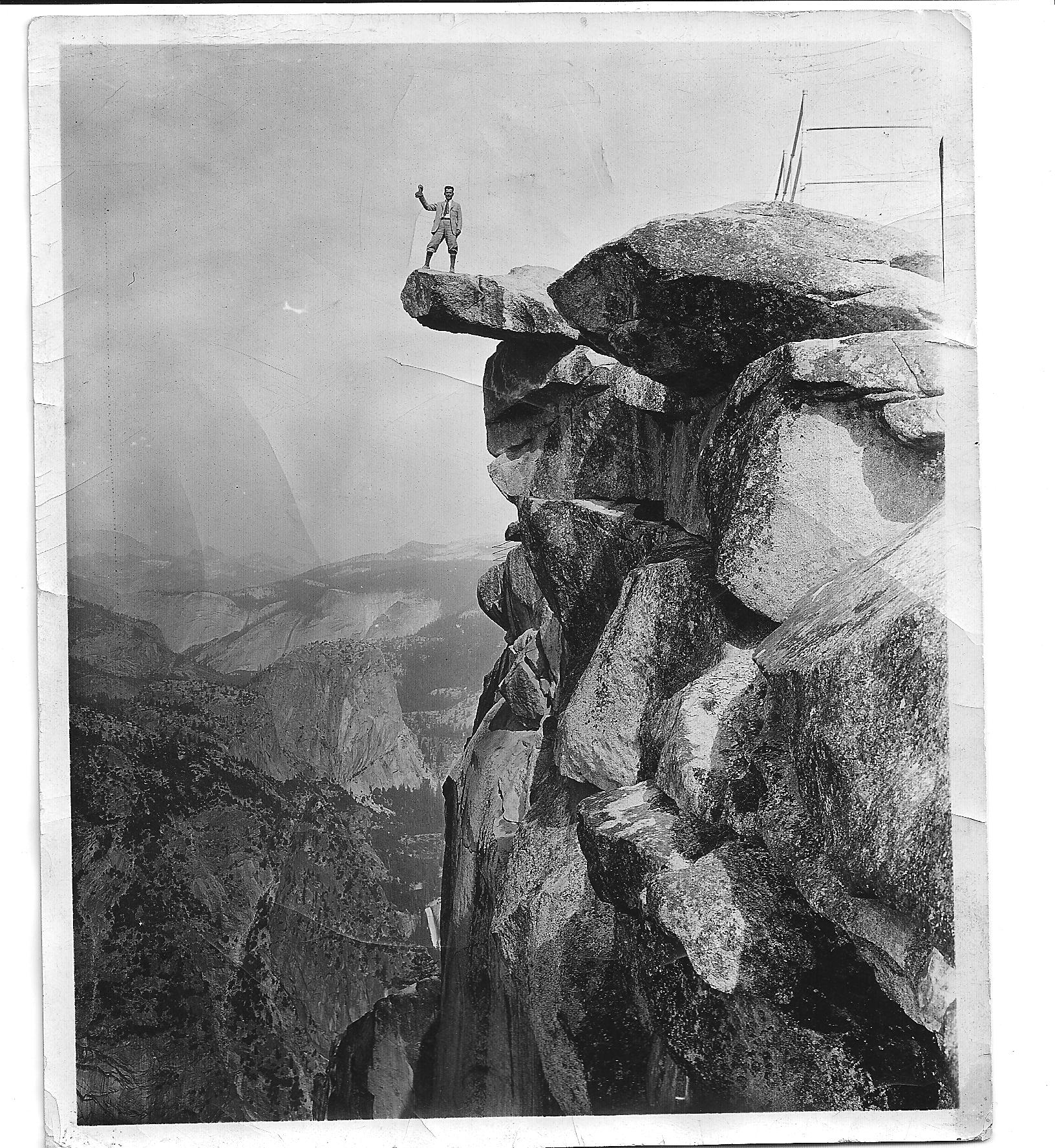
A few surviving photographs of Hermann, Ruth, and their family help put faces to the story.
Sources
Based on family records and writings of Dr. Rolf Zierenberg and Dr. Bruno Zierenberg, including letters and recollections shared by Richard Zierenberg during a visit in 1977. Timeline details are supported by U.S. census records, draft registration cards, and city directories.